Capacity
Purity
21 - 23 karats
World-class gold reserves
One of the top countries
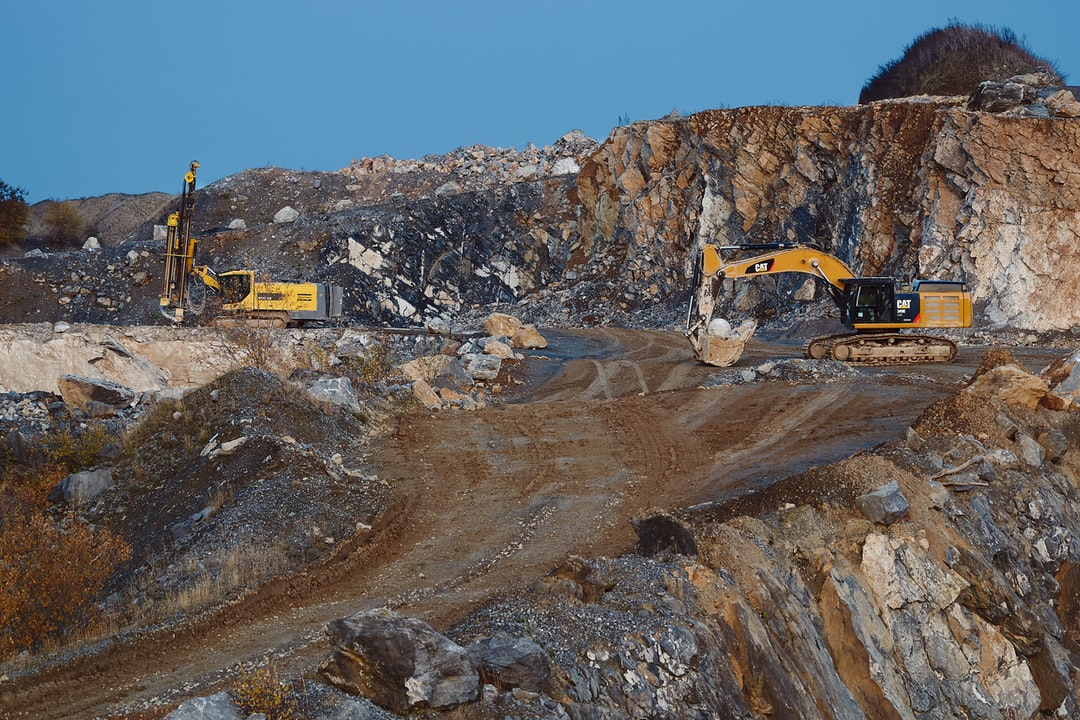
One project
Gold
Type
Gold 24k
Top 20 gold producers
Largest gold producer
Mining type
Predominantly artisanal, informal; massive smuggling (95–98%)
Geological Characteristics of Gold in the Central African Republic
Deposit Types
- Orogenic (lode) gold: Hosted in quartz veins and shear zones within Precambrian greenstone belts and metasedimentary sequences.
- Alluvial and eluvial deposits: Widely distributed in riverbeds, terraces, and floodplains, especially in the south-west (Mambéré, Lobaye, Sangha, Kadeï).
- Lateritic cover deposits: Gold concentrated in weathered regolith and lateritic soils above basement rocks.
- Hydrothermal systems: Associated with regional shear deformation and hydrothermal alteration in Neoproterozoic rocks.
Purity and Grades
- Gold from alluvial gravels is generally high purity (90–98%, 21–23 karats), reflecting natural mechanical concentration.
- Primary quartz veins can show grades from 2–5 g/t, though artisanal miners often target richer pockets.
- Limited modern exploration means grade variability is not fully constrained.
Associated Minerals
- Sulfides: pyrite, arsenopyrite, chalcopyrite occur in primary lode deposits.
- Heavy minerals in alluvials: magnetite, ilmenite, cassiterite, zircon often accompany placer gold.
- Trace platinum-group elements (PGE) have been reported in some alluvial sites.
Major Geological Zones
- Bandas Greenstone Belt: Hosts orogenic gold mineralization in quartz veins and altered schists.
- Dekoa Belt: Another greenstone-derived system with lode-type gold.
- Southwestern Rivers (Mambéré, Lobaye, Kadeï, Sangha): Rich in artisanal alluvial operations.
- Ndassima Mine (Ouaka region): The only known large-scale deposit, though geopolitically sensitive.
Exploration Potential
- The CAR shares geological continuity with West and Central African greenstone belts, yet remains largely under-explored.
- Potential exists for world-class orogenic deposits if systematically explored with modern methods.
- Alluvial zones suggest hidden primary sources that remain undiscovered.
Main Features (Summary Table)
Feature | Description |
|---|---|
Deposit types | Orogenic quartz veins, alluvial & eluvial placers, lateritic and hydrothermal zones |
Purity | 90–98% (21–23 karats), higher in alluvial gold |
Grades | 2–5 g/t in lode deposits; richer in artisanal alluvial zones |
Associated ores | Pyrite, arsenopyrite, chalcopyrite; magnetite, cassiterite, zircon (placers) |
| Exploration | Highly under-explored; strong potential in greenstone belts and shear zones |
As many other clients before you, let’s work together